
Introduction
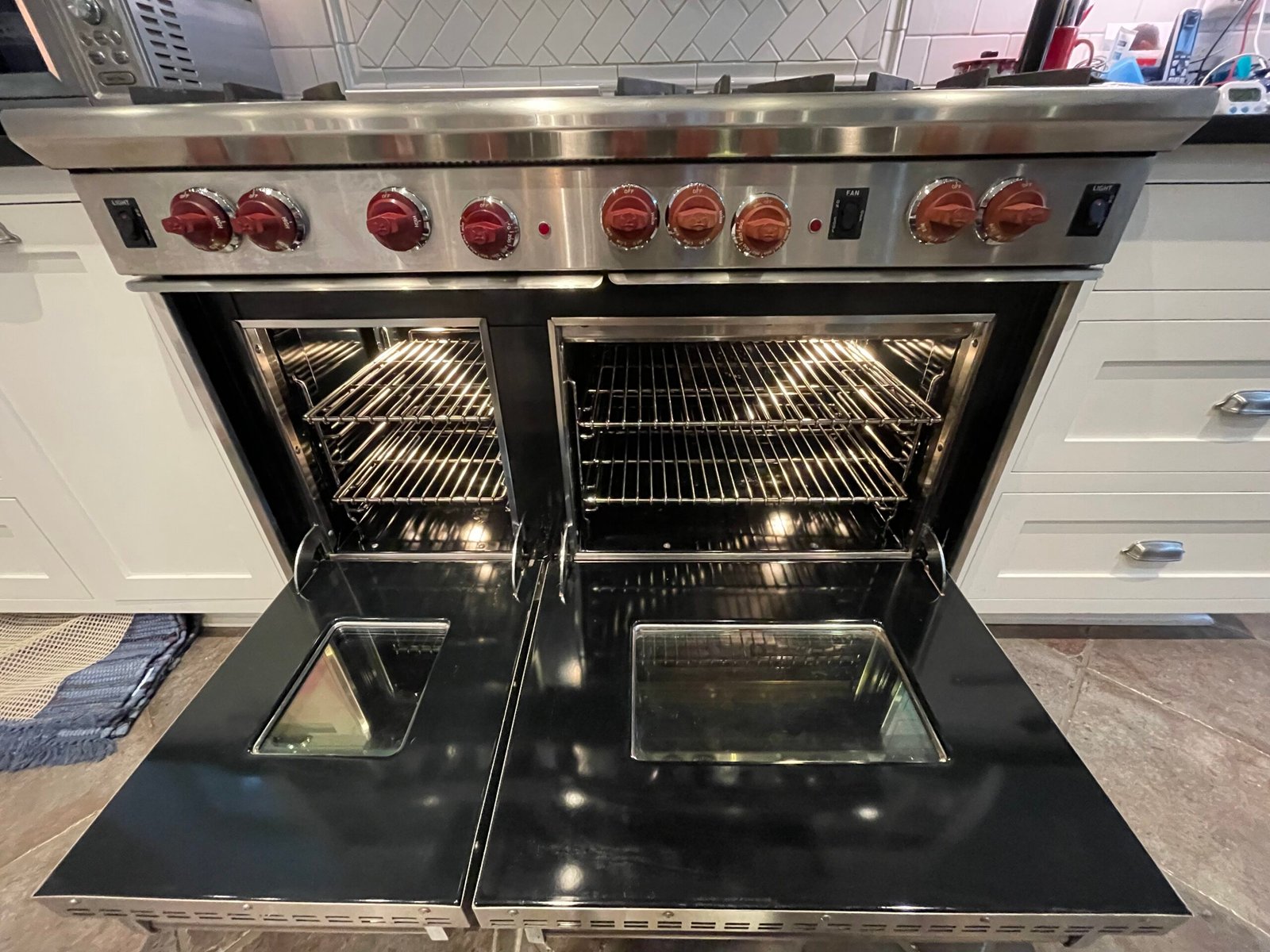
Cooking ranges are the centerpiece of modern kitchens, combining stovetop burners with a powerful oven. Over time, grease, food splatters, and steam can seep between the oven door’s glass panels, leaving unsightly streaks that block visibility. While many homeowners attempt DIY cleaning, the task is notoriously difficult without specialized tools. This is where professional cooking range cleaning delivers unmatched benefits: restoring clarity, improving hygiene, and extending appliance life.
In this article, we’ll explore step‑by‑step methods for cleaning between oven door glass, explain why professional services are often the best solution, and highlight the long‑term advantages of expert care.
Why Cleaning Between Oven Door Glass Matters
- Visibility: Clear glass lets you monitor food without opening the door, preserving heat and cooking consistency.
- Hygiene: Trapped grease and food particles can harbor bacteria.
- Efficiency: A clean oven door reduces smoke and odors, improving cooking performance.
- Aesthetics: Sparkling glass enhances the look of your kitchen.
Most importantly, professional cooking range cleaning ensures these benefits are achieved safely and thoroughly.
DIY Cleaning Methods
1. Using the Access Slot
Many ovens have a small slot at the bottom of the door that allows access between the glass panes.
- Insert a thin cleaning tool (like a microfiber cloth attached to a wire hanger).
- Spray vinegar or a mild glass cleaner onto the cloth.
- Move it carefully inside the slot to wipe away grime.
2. Baking Soda Paste
- Mix baking soda with water to form a paste.
- Apply to stubborn stains using a soft cloth.
- Rinse with vinegar for a streak‑free finish.
3. Disassembling the Door (Advanced DIY)
- Remove the oven door following manufacturer instructions.
- Unscrew the panels to separate the glass.
- Clean thoroughly with warm soapy water and microfiber cloths.
- Reassemble carefully to avoid damage.
⚠️ Risk: DIY disassembly can void warranties or cause injury. This is why many homeowners prefer professional services.
Professional Cooking Range Cleaning: Why It’s Better
Specialized Tools
Technicians use precision tools to safely access and clean between glass panels without scratching or breaking them.
Deep Cleaning Solutions
Professional cleaners apply eco‑friendly degreasers and steam cleaning methods that remove baked‑on residue more effectively than household products.
Safety Assurance
Experts ensure electrical and gas components are protected during cleaning, reducing risks of damage or leaks.
Time Savings
What could take hours of frustrating DIY effort is completed quickly and efficiently by trained professionals.
Benefits of Professional Cooking Range Cleaning
| Benefit | Why It Matters | Impact |
|---|---|---|
| Improved Hygiene | Removes grease, bacteria, and food particles | Safer cooking environment |
| Enhanced Safety | Prevents fire hazards and gas leaks | Peace of mind |
| Better Performance | Restores even heating and visibility | Consistent cooking results |
| Extended Lifespan | Reduces wear on components | Saves money long‑term |
| Eco‑Friendly Efficiency | Clean ovens use less energy | Lower utility bills |
Step‑by‑Step: What Professionals Do
- Inspection: Assess oven type, door design, and level of buildup.
- Safe Disassembly: Remove the door and separate glass panels with manufacturer‑approved techniques.
- Deep Cleaning: Apply steam, degreasers, and microfiber polishing.
- Reassembly: Secure panels, test seals, and ensure proper alignment.
- Final Check: Verify oven performance, safety, and clarity of glass.
This thorough process guarantees results that DIY methods rarely achieve.
Maintenance Tips After Cleaning
- Wipe spills immediately: Prevent grease from seeping between panels.
- Use oven liners: Catch drips and crumbs before they reach the door.
- Ventilate properly: Reduce steam buildup by using range hoods.
- Schedule professional cleaning annually: Maintain performance and hygiene.
Conclusion
Cleaning between oven door glass is one of the most frustrating kitchen chores. While DIY methods can help, they often fall short of delivering lasting clarity and safety. The benefits of professional cooking range cleaning are clear: improved hygiene, enhanced safety, better cooking performance, and extended appliance lifespan. By investing in expert care, homeowners not only restore the sparkle of their oven but also protect their kitchen’s centerpiece for years to come.